
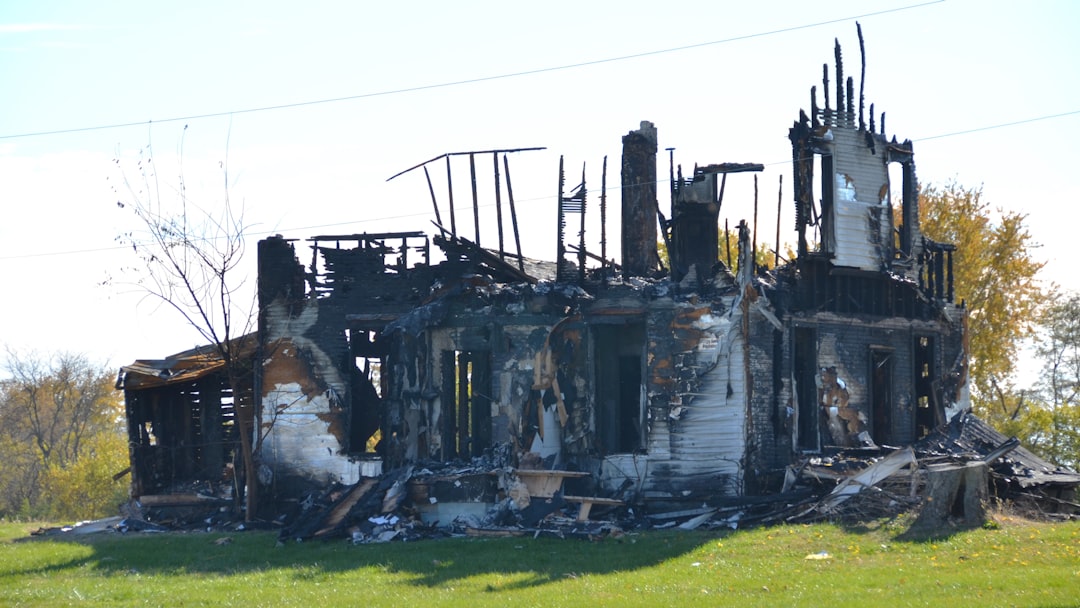
Fire Damage Claim Process: Start to Finish
Fire damage claims represent some of the most complex and high-value opportunities in a public adjuster‘s practice. Unlike water damage or minor property claims, fire losses involve multiple coverage types, extensive documentation requirements, and often contentious negotiations with carriers who understand the significant exposure involved. The fire damage claim process demands a systematic approach that protects your client’s interests while maximizing your fee recovery.
Mastering the fire damage claim process is crucial for building a profitable PA practice because these claims typically involve substantial policy limits, multiple coverage areas (structure, contents, ALE), and require sophisticated negotiation skills. Fire losses also tend to generate higher fees per claim, making them worth the additional investment in time and resources. However, the complexity of fire damage claims means that disorganized adjusters often leave money on the table or face unnecessary delays that frustrate clients and reduce profitability.
In this comprehensive guide, you’ll learn how to structure your fire damage claim process from initial intake through final settlement. We’ll cover the essential stages of the claims lifecycle, documentation standards that carriers can’t dispute, communication strategies that accelerate settlements, and the technology tools that help you manage complex fire claims efficiently. Whether you’re handling your first structure fire or looking to systematize your approach for better scalability, this framework will help you deliver superior results for clients while building a more profitable practice.
Understanding the Claims Lifecycle
FNOL Intake and Initial Assessment
The fire damage claim process begins the moment you receive that first notice of loss call. Your intake procedure for fire claims should be more comprehensive than standard property damage because you’re dealing with potentially traumatized clients who may have lost everything. During initial intake, focus on immediate safety concerns, temporary housing needs, and securing the property against further damage.
Document the basic facts: date and time of loss, cause of fire, fire department response, and extent of damage. Most importantly, establish whether the client has begun any cleanup or restoration work, as this can complicate your documentation efforts later. Many fire victims make the mistake of starting cleanup immediately, potentially destroying evidence of covered damages.
Your initial assessment should also identify potential coverage issues early. Fire claims often involve questions about the cause of loss, especially electrical fires or those involving heating equipment. Note any statements made by fire officials, but remember that their preliminary findings aren’t always consistent with the final investigation that determines coverage.
Documentation and Evidence Gathering
Fire damage documentation requires a more systematic approach than other property claims because you’re dealing with multiple types of damage: direct fire damage, smoke damage, water damage from firefighting efforts, and potential structural compromise. Begin with exterior photography that establishes the overall scope of damage, then work systematically through each affected area.
Your evidence gathering must address both obvious and hidden damages. Fire damage often extends far beyond the visible burn areas, with smoke infiltrating HVAC systems, insulation, and structural cavities. Heat damage can compromise structural elements without visible burning, requiring careful inspection and documentation.
Create a comprehensive inventory of damaged contents, but don’t rely solely on the client’s memory immediately after a fire loss. Shock and trauma often affect recall, so plan for multiple inventory sessions as clients remember items or discover damage to belongings they initially thought were undamaged.
Damage Inspection and Scope of Loss
The inspection phase of fire damage claims requires specialized knowledge of how fire, heat, and smoke affect different materials. Your scope of loss must address direct fire damage, heat damage that may have compromised materials without visible burning, smoke damage throughout the structure, and water damage from firefighting efforts.
Pay special attention to HVAC systems, which often distribute smoke and soot throughout undamaged areas of the structure. Electrical systems may require complete replacement even in areas with minimal visible damage due to heat exposure and potential insulation compromise. Structural elements need careful evaluation, as heat can reduce the strength of steel and wood framing without obvious visual indicators.
Document the extent of smoke penetration systematically, testing materials rather than assuming damage based on appearance alone. Some materials that appear cleanable may actually require replacement due to odor retention or structural compromise from heat exposure.
Estimate Preparation and Submission
Fire damage estimates are typically more complex than other property claims because they involve multiple trades, specialized cleanup procedures, and often complete reconstruction of damaged areas. Your estimate must address demolition of fire-damaged materials, specialized cleaning of salvageable items, smoke odor mitigation throughout the structure, and complete reconstruction to pre-loss condition.
Structure your estimate to clearly separate different types of damage and their associated repair costs. This organization helps during negotiations and makes it easier to address carrier questions about specific line items. Include detailed explanations for specialized procedures that carriers might question, such as ozone treatment for smoke odor or structural reinforcement for heat-damaged framing.
Don’t underestimate the complexity of fire restoration. What appears to be cosmetic damage often requires extensive behind-the-scenes work to address smoke penetration, odor issues, and structural concerns that aren’t immediately obvious.
Carrier Negotiation and Supplements
Fire damage negotiations often involve multiple rounds of supplements as hidden damages are discovered during the restoration process. Establish clear protocols with your restoration contractor for documenting additional damages and obtaining approval before proceeding with work that exceeds the initial estimate.
Carriers frequently challenge fire damage estimates on scope of cleaning versus replacement, extent of smoke damage, and necessity of specialized procedures. Be prepared to provide technical justification for your recommendations, including expert opinions when dealing with structural or indoor air quality concerns.
Maintain detailed records of all supplemental damages and their discovery. Carriers may argue that damages found during restoration were pre-existing or unrelated to the fire loss, making your documentation crucial for successful supplement recovery.
Settlement and Closing Procedures
Fire damage settlements often involve multiple payments as restoration progresses and additional damages are discovered. Structure your fee agreements and settlement procedures to accommodate this complexity, ensuring you’re compensated fairly for ongoing supplement negotiations.
Coordinate carefully with your client’s restoration contractor to ensure all work is completed satisfactorily before final settlement. Fire damage repairs are often complex enough that quality issues don’t become apparent until after initial completion, potentially requiring additional negotiations with the carrier.
Building an Efficient Pipeline
Visual Pipeline Stages That Work for PAs
Fire damage claims require a more detailed pipeline structure than simpler property losses. Your pipeline should include distinct stages for initial documentation, fire department report acquisition, structural assessment completion, contents inventory finalization, initial estimate submission, carrier inspection coordination, negotiation phases, and supplement processing.
Visual pipeline management becomes crucial with fire claims because these cases involve multiple moving parts that can easily fall through the cracks. Each stage should have clear completion criteria and automatic triggers for advancing to the next phase.
Consider separate pipeline tracks for structure and contents portions of fire claims, as these often move at different speeds and require different types of documentation and negotiation approaches.
Tracking Claims by Status, Priority, and Value
Fire damage claims typically represent your highest-value cases, making accurate tracking essential for cash flow management and resource allocation. Track not just the total claim value, but break down tracking by coverage type (dwelling, contents, ALE) to better understand your fee potential and settlement timeline.
Priority tracking for fire claims should consider factors beyond just claim value, including client housing situation, seasonal considerations that affect restoration costs, and carrier-specific negotiation patterns. Some carriers are notorious for dragging out fire damage settlements, requiring more aggressive case management.
Implement tracking for supplement potential, as fire damages often reveal additional issues during restoration. This helps with revenue forecasting and ensures you don’t overlook opportunities for additional fee recovery.
Setting Follow-up Cadences for Each Stage
Fire damage claims require more frequent follow-up than typical property losses due to their complexity and value. Establish shorter follow-up intervals during critical phases like initial carrier response, inspection scheduling, and estimate review.
Your follow-up cadence should account for the emotional state of fire loss clients, who often need more frequent communication and reassurance than other claimants. However, balance client communication needs with productive carrier follow-up that moves the claim toward resolution.
Adjust your follow-up frequency based on carrier behavior and claim complexity. High-value fire claims may require daily attention during active negotiation phases, while claims awaiting fire department reports may need weekly status checks.
Avoiding Bottlenecks at Inspection and Negotiation
Fire damage claims are particularly susceptible to bottlenecks during the inspection phase, as carriers often send multiple specialists (structural engineers, contents specialists, cause and origin investigators) who must coordinate their schedules. Take a proactive approach to inspection scheduling, offering multiple date options and following up aggressively on scheduling delays.
Negotiation bottlenecks in fire claims often occur when carriers request additional documentation or expert opinions to support your damage assessments. Anticipate common carrier objections and prepare supporting documentation proactively rather than waiting for specific requests.
Create standardized response templates for common fire claim documentation requests, but customize each response to address the specific circumstances of the individual loss.
When to Escalate to Appraisal or Litigation
Fire damage claims have higher potential for appraisal or litigation due to their complexity and value. Consider escalation when carriers unreasonably dispute the scope of smoke damage, refuse to acknowledge heat damage to structural elements, or deny coverage for specialized cleaning and restoration procedures that are clearly necessary.
Timing is crucial for fire claim escalations. Don’t wait until your client becomes frustrated with delays, but also ensure you’ve adequately documented your position before initiating formal dispute resolution procedures.
Maintain detailed records of carrier bad faith indicators, as fire claims sometimes involve coverage disputes that could support bad faith actions if the carrier’s behavior is egregious.
Documentation Best Practices
Photo and Video Standards for Property Damage
Fire damage documentation requires systematic photography that captures both obvious damage and subtle indicators of heat, smoke, and water damage. Establish consistent photography protocols that document each room from multiple angles, showing both overall conditions and detailed damage to specific materials and finishes.
Use video documentation to capture the extent of smoke odor and soot distribution throughout the structure. Video is particularly effective for demonstrating how smoke has penetrated areas far from the fire origin, supporting your arguments for extensive cleaning and restoration.
Document the fire scene before any cleanup begins, as initial conditions provide the strongest evidence of damage extent. Once cleanup begins, much of your best documentation evidence is permanently lost.
Moisture Readings, Thermal Imaging, and Technical Evidence
Fire damage often involves significant water damage from firefighting efforts, requiring moisture documentation similar to water loss claims. Take systematic moisture readings throughout the structure, paying special attention to areas where firefighting water may have accumulated or soaked into structural materials.
Thermal imaging can reveal heat damage patterns that aren’t visible to the naked eye, particularly useful for documenting damage to electrical systems and structural elements. Thermal documentation also helps identify areas where insulation may have been compromised by heat exposure.
Consider air quality testing in fire damage cases, especially when dealing with smoke infiltration into HVAC systems or potential asbestos/lead concerns in older structures affected by fire.
Scope of Loss Writing That Carriers Can’t Ignore
Fire damage scopes require more detailed explanations than typical property damage because carriers often lack understanding of fire restoration complexities. Write your scope to educate the carrier reader about why specific procedures are necessary, referencing industry standards and manufacturer recommendations where applicable.
Organize your scope by damage type (fire, heat, smoke, water) rather than by room or area, making it easier for carriers to understand the full extent of each type of damage and associated restoration requirements.
Include detailed explanations for specialized procedures that carriers might view as unnecessary, such as thermal fogging for smoke odor, ozone treatment, or complete HVAC system replacement due to smoke contamination.
Organizing Claim Files for Quick Retrieval
Fire damage claims generate extensive documentation, making file organization crucial for efficient case management. Create standardized file structures that separate initial documentation, carrier correspondence, expert reports, estimates and supplements, and settlement documentation.
Maintain chronological logs of all claim activity, as fire damage cases often involve extended timelines and multiple supplement negotiations where timing of damage discovery becomes important.
Digital file organization is essential for fire claims due to the volume of photography and documentation involved. Use consistent naming conventions and folder structures that allow quick retrieval of specific information during negotiations.
Maintaining Audit-Ready Records
Fire damage claims are more likely to face post-settlement scrutiny due to their value and complexity. Maintain documentation standards that would withstand audit examination, including detailed justification for all damage assessments and repair recommendations.
Keep contemporaneous notes of all client conversations, carrier interactions, and expert consultations. Fire claims often involve disputes that arise months after initial settlement, making detailed records essential for defending your work.
Document your decision-making process for damage assessments, especially when choosing replacement over cleaning for smoke-damaged materials. Carriers may challenge these decisions during audits, requiring clear justification for your recommendations.
Carrier Communication Strategy
How to Write Effective Demand Letters
Fire damage demand letters must address the complexity of the loss while presenting your position clearly and persuasively. Structure your demands to lead with the most compelling damages and strongest documentation, building a case that makes denial or significant reduction difficult for the carrier.
Address common carrier objections proactively in your initial demand presentation. Fire damage claims often face scrutiny regarding cause of loss, extent of damage, and necessity of proposed restoration procedures. Anticipating and addressing these concerns strengthens your position.
Use expert opinions and industry standards to support your damage assessments, particularly for technical issues like structural integrity, indoor air quality, or specialized restoration procedures that carriers might question.
Following Up Without Harassing — The Right Cadence
Fire damage claims require persistent follow-up due to their complexity, but maintain professionalism that preserves working relationships while keeping cases moving. Establish follow-up schedules based on carrier-specific response patterns and claim complexity.
Document all follow-up attempts and responses, as patterns of delay or non-responsiveness may support bad faith claims if litigation becomes necessary. However, focus your follow-up communications on moving the claim forward rather than creating confrontational records.
Vary your follow-up methods between phone calls, emails, and formal letters depending on the situation and carrier responsiveness. Some carriers respond better to formal written communication, while others prefer phone contact for complex technical discussions.
Documenting Every Interaction
Fire damage claims require meticulous interaction documentation due to their complexity and potential for disputes. Record not just what was discussed, but who participated, what commitments were made, and what follow-up actions were agreed upon.
Create interaction summaries for complex discussions and send them to carrier representatives for confirmation. This practice reduces misunderstandings and creates clear records of agreements and commitments.
Maintain separate communication logs for different aspects of the claim (coverage, structure damage, contents, ALE) as these often involve different carrier personnel and move at different speeds.
Recognizing Bad Faith Indicators
Fire damage claims are particularly susceptible to bad faith practices due to their high value and complexity. Watch for patterns of unreasonable delay, repeated requests for documentation already provided, or denial of clearly covered damages without adequate explanation.
Document carrier behavior that appears designed to delay or frustrate the claim process rather than achieve fair resolution. Bad faith indicators in fire claims often include unreasonable scope disputes, refusal to acknowledge obvious damages, or inappropriate delay in inspection scheduling.
Maintain contemporaneous records of carrier bad faith indicators, as these may support coverage litigation or bad faith claims if the carrier’s conduct becomes egregious.
When to Invoke the Appraisal Clause
Fire damage claims are good candidates for appraisal when carriers unreasonably dispute the scope or cost of necessary repairs. Consider appraisal when you have strong documentation supporting your position but face carrier intransigence on technical restoration issues.
Timing of appraisal demands is crucial in fire claims. Don’t wait until client frustration reaches critical levels, but ensure you’ve adequately developed your documentation and attempted good faith negotiations before initiating formal dispute resolution.
Prepare thoroughly for fire damage appraisals, as they often involve complex technical issues requiring expert testimony and detailed documentation of specialized restoration procedures.
Technology & Automation
Claims Management Software vs. Spreadsheets
Fire damage claims involve too much complexity and documentation for effective spreadsheet management. Professional claims management software becomes essential when handling multiple fire claims or any fire claim with significant contents loss requiring extensive inventory management.
Look for software that handles multiple coverage types within a single claim, as fire losses typically involve structure, contents, and additional living expenses that must be tracked separately but managed cohesively.
Integration capabilities become crucial for fire claims, as you’ll likely use multiple tools for estimating, photo management, and client communication that need to work together seamlessly.
Automated Status Updates and Reminders
Fire damage claims benefit significantly from automated follow-up systems due to their extended timelines and multiple moving parts. Set up automated reminders for critical deadlines like expert report completion, carrier response deadlines, and client communication requirements.
Automated status updates help manage client expectations during the extended timelines typical of fire damage claims. Clients who lost their homes to fire are often anxious and need regular communication, even when there’s no significant progress to report.
Use automation to ensure consistent follow-up on carrier commitments and deadlines, as fire claims often involve multiple carrier representatives and complex coordination requirements that can easily be overlooked.
Mobile Access for Field Inspections
Fire damage inspections require extensive field documentation that benefits from real-time data entry and photo organization. Mobile access allows immediate upload and organization of documentation while still on-site, reducing the administrative burden after complex inspections.
Field mobility becomes particularly important for fire claims because these inspections often require multiple site visits as restoration progresses and additional damages are discovered. Having immediate access to previous documentation helps identify changes and new damages.
Mobile technology also enables real-time communication with restoration contractors and experts during inspections, facilitating better coordination and more comprehensive damage assessment.
Policyholder Portals That Reduce Phone Calls
Fire loss clients typically need more communication and reassurance than other claimants, making client portals particularly valuable for managing communication efficiently. Portals allow clients to access claim status, documentation, and settlement information without requiring staff time for routine status calls.
Design portal functionality to address the specific concerns of fire loss clients, including temporary housing updates, contents inventory status, and restoration timeline information. Fire clients often have immediate practical concerns that routine status information can