
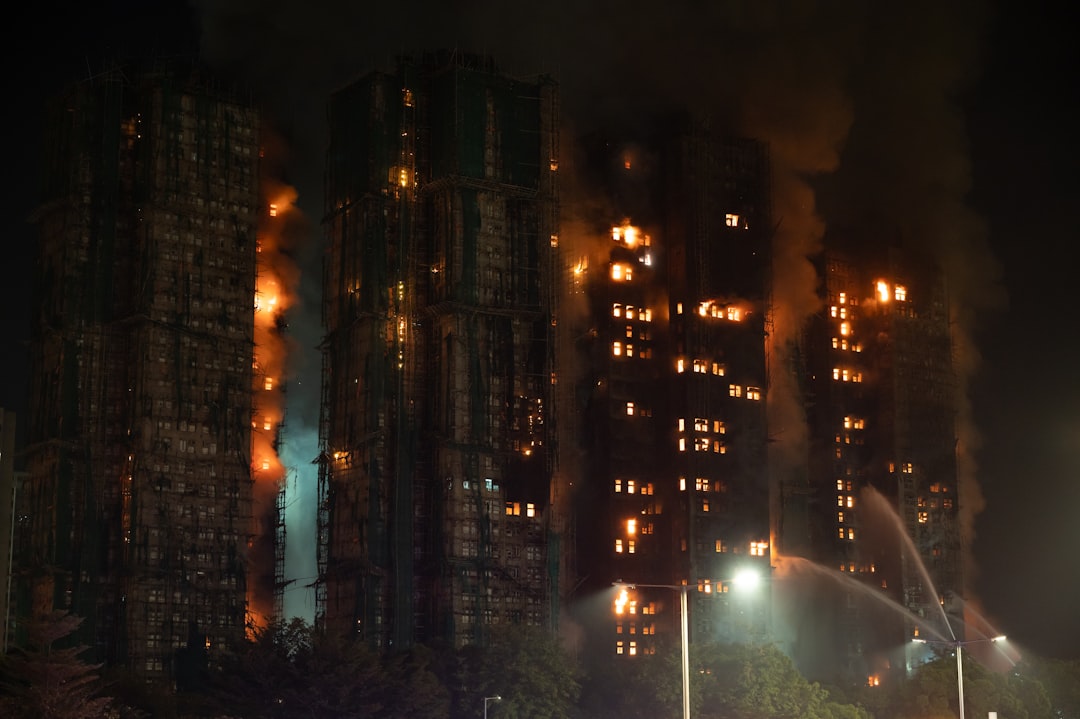
What to Do After a House Fire: A Complete Claims Management Guide for Public Adjusters
When disaster strikes and your policyholder faces the devastation of a house fire, the immediate aftermath determines the trajectory of the entire claim. As a veteran public adjuster, you know that the first 48-72 hours after a house fire aren’t just critical for your policyholder’s safety and wellbeing—they’re the foundation upon which your entire case will be built.
This comprehensive guide covers the essential claims management processes that separate profitable, efficient PA practices from those that struggle with prolonged negotiations, inadequate settlements, and frustrated clients. From the moment you receive that first call about what to do after a house fire, through final settlement, every action you take impacts your bottom line and professional reputation.
You’ll learn proven frameworks for managing fire damage claims efficiently, documentation strategies that carriers can’t dispute, and systematic approaches to pipeline management that scale with your practice. Whether you’re handling your first fire loss or your thousandth, these battle-tested processes will help you maximize settlements while minimizing claim cycle times.
Understanding the Claims Lifecycle
FNOL Intake and Initial Assessment
The First Notice of Loss (FNOL) for house fires requires immediate action and systematic documentation. When policyholders call asking what to do after a house fire, your intake process sets the tone for the entire claim relationship. Establish a standardized checklist covering policy information, fire department reports, temporary housing needs, and immediate safety concerns.
During initial assessment, determine if the fire involved total destruction or partial damage, as this dramatically impacts your approach. Total losses often move faster through the claims process but require extensive personal property inventories. Partial losses demand meticulous damage separation between fire, smoke, and water damage from suppression efforts.
Document the cause of loss immediately, securing fire department reports and witness statements while memories remain fresh. This information becomes crucial if carrier investigations later question coverage or causation.
Documentation and Evidence Gathering
Fire damage claims demand extensive documentation across multiple damage types. Beyond obvious fire damage, water damage from suppression efforts often exceeds the fire loss itself. Smoke damage can affect areas of the home that appear untouched, requiring detailed documentation of odor penetration and residue throughout the structure.
Create detailed inventories of damaged personal property immediately. Fire scenes deteriorate rapidly due to weather exposure, vandalism, and emergency board-up procedures. What appears salvageable on day one may be total loss by day seven without proper documentation.
Secure the scene through professional board-up services while maintaining access for your documentation needs. Coordinate with restoration contractors to prevent further damage while preserving evidence of the original loss scope.
Damage Inspection and Scope of Loss
Professional inspection protocols for fire damage require understanding of burn patterns, heat damage gradients, and contamination spread. Smoke damage extends far beyond visible soot, penetrating HVAC systems, wall cavities, and porous materials throughout the structure.
Separate structural damage into distinct categories: direct fire damage, heat damage, smoke contamination, and water damage from suppression. Each category requires different restoration approaches and cost calculations. Insurance carriers often attempt to minimize smoke and water damage claims by focusing only on direct fire loss.
Document all secondary damage including mold growth from standing water, security issues from structural compromise, and additional living expenses that extend beyond initial estimates. Fire losses create cascading damage that develops over time.
Estimate Preparation and Submission
Fire damage estimates require specialized knowledge of restoration processes, materials, and contamination remediation. Standard repair estimates don’t capture the complexity of fire restoration, from specialized cleaning processes to complete HVAC system replacement due to smoke contamination.
Include all necessary code upgrades triggered by the loss. Fire damage often exposes electrical, plumbing, and structural components that must meet current codes during restoration. These upgrades represent legitimate covered expenses that carriers frequently overlook.
Structure estimates to clearly separate emergency services, damage assessment, cleaning and restoration, reconstruction, and code compliance. This organization prevents carriers from challenging legitimate expenses by mixing different restoration phases.
Carrier Negotiation and Supplements
Fire claims typically require multiple supplements as hidden damage emerges during restoration. Establish clear protocols for documenting supplemental damage with dated photos, contractor assessments, and detailed explanations of why damage wasn’t apparent during initial inspection.
Smoke damage negotiations often become contentious as carriers question the extent of contamination in areas without visible damage. Maintain detailed documentation of odor testing, air quality measurements, and contamination spread patterns to support your scope.
Present supplements systematically with clear causation explanations linking newly discovered damage to the original loss. Carriers more readily accept supplements that demonstrate professional investigation rather than scope creep.
Settlement and Closing Procedures
Fire claims settlement requires careful attention to replacement cost benefit triggers and depreciation recovery. Ensure policyholders understand their obligations for replacement cost recovery and maintain documentation supporting all expenditures.
Coordinate final inspections to confirm restoration completion meets policy requirements. Fire restoration quality directly impacts policyholder satisfaction and your professional reputation. Substandard restoration work creates ongoing problems that reflect poorly on your claim handling.
Maintain settlement documentation for potential future claims. Fire-damaged properties may experience related issues months or years later, requiring proof of prior damage and restoration scope.
Building an Efficient Pipeline
Visual Pipeline Stages That Work for PAs
Structure your fire claims pipeline around key decision points rather than arbitrary time intervals. Effective stages include: Initial Assessment, Emergency Services, Damage Documentation, Scope Development, Carrier Submission, Negotiation, Settlement Documentation, and Close.
Each stage requires specific deliverables and triggers for advancement. Fire claims can’t progress from Documentation to Scope Development without complete damage assessment across all affected areas. This prevents premature submissions that require extensive supplements.
Color-code claims by complexity level: green for straightforward losses, yellow for moderate complexity, and red for total losses or disputed coverage. This visual system helps prioritize attention where it generates the highest return.
How to Track Claims by Status, Priority, and Value
Track fire claims using metrics that reflect restoration complexity rather than simple dollar amounts. A moderate fire with extensive smoke contamination may require more management attention than a higher-value but straightforward total loss.
Priority ranking should consider policyholder urgency, carrier relationships, and claim profitability. Families displaced by house fires need immediate attention regardless of claim size. This client service approach builds referral relationships that sustain your practice.
Maintain value tracking that includes fee projections based on realistic settlement expectations. Fire claims often exceed policy limits, affecting your fee calculations and collection procedures.
Setting Follow-up Cadences for Each Stage
Fire claims require aggressive follow-up during critical initial phases when evidence deteriorates and additional damage develops. Daily follow-up may be necessary during the first week, transitioning to weekly contact as the claim stabilizes.
Emergency services and temporary housing issues demand immediate response times. Delayed action during these phases creates policyholder dissatisfaction that no amount of later attention can remedy.
Adjust follow-up intensity based on carrier responsiveness and claim complexity. Some carriers require constant pressure while others respond better to professional, measured communication.
Avoiding Bottlenecks at Inspection and Negotiation
Inspection bottlenecks in fire claims often result from inadequate initial documentation. Invest heavily in comprehensive initial damage assessment to prevent multiple re-inspections that delay the entire process.
Negotiation bottlenecks frequently occur when scope submissions lack sufficient detail for carrier evaluation. Carriers can’t approve what they can’t understand. Detailed explanations prevent the back-and-forth requests for clarification that extend claim cycles.
Schedule inspections strategically to accommodate restoration timelines. Some damage becomes more apparent as restoration progresses, while other evidence disappears without proper documentation timing.
When to Escalate to Appraisal or Litigation
Fire claims justify appraisal when scope disputes involve technical restoration questions rather than coverage issues. Smoke contamination extent, appropriate cleaning methods, and replacement versus restoration decisions are ideal appraisal subjects.
Consider litigation for bad faith issues that emerge during complex fire claims. Carriers who unreasonably delay emergency services approvals or refuse obviously covered damage may be acting in bad faith.
Evaluate escalation options based on claim profitability and principle. Some battles are worth fighting for industry precedent even when individual claim economics don’t justify the expense.
Documentation Best Practices
Photo and Video Standards for Property Damage
Fire damage photography requires systematic coverage of all affected areas, not just obvious damage zones. Document smoke residue patterns, heat damage indicators, and water damage from suppression efforts using consistent lighting and angles.
Capture overview shots establishing room layouts and damage relationships, then detail shots of specific damage areas. This progression helps carriers understand damage context and extent. Include undamaged reference areas to demonstrate contamination spread.
Video documentation should follow logical paths through the structure, narrating damage observations and restoration requirements. This creates compelling evidence for negotiations while preserving perishable damage evidence.
Moisture Readings, Thermal Imaging, and Technical Evidence
Technical documentation for fire claims extends beyond standard moisture readings to include air quality testing, surface contamination analysis, and structural integrity assessments. These measurements provide objective support for subjective damage observations.
Thermal imaging reveals heat damage patterns invisible to standard photography, particularly useful for demonstrating the extent of structural damage and insulation compromise. This technology often reveals damage that justifies higher settlement amounts.
Maintain calibration records for all testing equipment and document testing protocols to ensure carrier acceptance of results. Technical evidence loses credibility without proper equipment maintenance and procedure documentation.
Scope of Loss Writing That Carriers Can’t Ignore
Effective Fire Damage Claim scopes explain the “why” behind every line item, connecting specific damage observations to necessary restoration procedures. Generic descriptions invite carrier challenges while detailed explanations demonstrate professional expertise.
Organize scopes by damage type and restoration phase rather than room-by-room listings. This approach helps carriers understand restoration logic and prevents challenges to interdependent procedures.
Include manufacturer specifications and industry standard references to support restoration methods and material selections. Carriers find it difficult to challenge procedures backed by authoritative sources.
Organizing Claim Files for Quick Retrieval
Fire claims generate extensive documentation across multiple damage categories and restoration phases. Organize files by damage type first, then chronologically within each category. This structure supports quick retrieval during negotiations.
Maintain separate files for emergency services, damage documentation, estimates, correspondence, and settlement documents. Cross-reference related documents to prevent overlooking supporting evidence during carrier presentations.
Create summary documents linking key evidence to specific claim elements. This organization saves hours during settlement negotiations and supplement preparation.
Maintaining Audit-Ready Records
Document every decision and action throughout the fire claim process. Regulatory agencies and legal proceedings may examine your claim handling years after settlement. Complete records protect your professional reputation and license.
Maintain time records for all claim activities to support fee justification and operational analysis. Fire claims require significant time investment during initial phases that may not be apparent months later.
Store critical documents in multiple formats and locations to prevent loss due to technology failures or disasters. Your documentation represents substantial investment that deserves protection.
Carrier Communication Strategy
How to Write Effective Demand Letters
Fire damage demand letters must address coverage questions, causation issues, and damage extent systematically. Lead with policy language supporting coverage, then connect specific damage to the covered peril through detailed explanation.
Structure demands around carrier decision-making processes rather than emotional appeals. Adjusters need sufficient information to justify payments to their supervisors and claim committees.
Include photographic evidence and technical data supporting each demand element. Visual evidence prevents carriers from minimizing damage that appears extensive in photographs but minimal in written descriptions.
Following Up Without Harassing — The Right Cadence
Fire claim follow-up requires balancing policyholder urgency with professional carrier relationships. Weekly contact during active investigation phases shows appropriate attention without appearing pushy.
Document follow-up attempts and responses to demonstrate reasonable cooperation with carrier processes. This documentation becomes important if disputes later arise over claim handling delays.
Adjust communication frequency based on carrier responsiveness and claim phase. Emergency services issues require immediate attention while final settlement details can accommodate normal business timelines.
Documenting Every Interaction (CYA File)
Maintain detailed records of all carrier communications including phone calls, emails, and in-person meetings. Include dates, participants, topics discussed, and commitments made by all parties.
Document carrier inspector comments and observations during property inspections. These informal statements often contradict later written reports and provide valuable negotiation leverage.
Record carrier delays and responsiveness issues that impact policyholders or claim resolution. This information supports bad faith claims if carrier conduct becomes unreasonable.
Recognizing Bad Faith Indicators
Fire claims present multiple opportunities for carrier bad faith through unreasonable delays, inadequate investigations, or coverage denials without proper basis. Monitor for patterns of unreasonable conduct rather than isolated incidents.
Excessive requests for documentation, repeated property inspections without explanation, and delays in responding to emergency services requests may indicate bad faith conduct.
Carriers who consistently undervalue obvious damage or refuse industry-standard restoration procedures may be acting unreasonably. Document these patterns for potential bad faith claims.
When to Invoke the Appraisal Clause
Appraisal works effectively for fire claims involving technical restoration questions where scope and pricing disputes arise. Smoke contamination extent and appropriate restoration methods are ideal appraisal subjects.
Avoid appraisal for coverage disputes or causation questions that require legal interpretation rather than damage assessment. Appraisal panels can’t resolve policy interpretation issues.
Consider appraisal timing carefully. Early appraisal may resolve disputes quickly while late appraisal may appear to be delay tactics. Evaluate based on claim-specific circumstances and carrier cooperation levels.
Technology & Automation
Claims Management Software vs. Spreadsheets
Fire claims require tracking multiple damage types, restoration phases, and vendor coordination that exceeds spreadsheet capabilities. Specialized claims management software provides structured data entry and automated reporting that scales with practice growth.
Integration between documentation tools, estimating software, and claim management systems eliminates duplicate data entry while ensuring consistency across all claim elements.
Cloud-based systems enable field access during property inspections and provide real-time updates to all team members. This connectivity prevents communication gaps that delay claim resolution.
Automated Status Updates and Reminders
Fire claims involve numerous time-sensitive deadlines including emergency services approvals, temporary housing extensions, and replacement cost benefit triggers. Automated reminders prevent missed deadlines that impact settlements or policyholder satisfaction.
Status update automation keeps policyholders informed without requiring constant manual communication. This reduces phone calls while maintaining professional client service standards.
Customize automation based on claim complexity and policyholder preferences. Some clients want daily updates during active restoration while others prefer weekly summaries.
Mobile Access for Field Inspections
Field inspection efficiency depends on immediate access to policy information, previous documentation, and estimation tools. Mobile platforms enable real-time documentation and data synchronization that prevents later transcription errors.
Offline capability ensures productivity during inspections in areas with poor connectivity. Fire scenes often have compromised utilities including internet service that could halt documentation efforts.
Mobile integration with photo and video systems creates seamless documentation workflows that capture evidence while maintaining organized file structures.
Policyholder Portals That Reduce Phone Calls
Fire loss policyholders experience high stress levels that generate frequent status inquiries and information requests. Self-service portals provide 24/7 access to claim information while reducing office phone traffic.
Document upload capabilities through policyholder portals streamline personal property inventory submission and supplemental documentation collection.
Automated portal notifications keep policyholders informed of claim progress while demonstrating professional communication standards that generate referrals.
Integration With Estimating Tools
Direct integration between claims management and estimating software eliminates duplicate data entry while ensuring consistency between damage documentation and cost calculations.
Automated estimate updates reflect scope changes without manual revision, reducing errors and saving time during supplement preparation.
Integration with vendor management systems coordinates restoration activities while maintaining budget control and progress tracking.
Metrics That Matter
Average Settlement Per Claim
Track fire claim settlements separately from other claim types due to their typically higher values and complexity levels. This data helps identify trends in carrier behavior and negotiation effectiveness.
Monitor settlement amounts relative to initial estimates to identify consistent under-reserving or over-estimating patterns that affect profitability projections.
Compare settlements across different carriers to identify those that consistently under-pay or over-pay relative to industry standards.
Claims Cycle Time by Type
Fire claims require longer cycle times than most other claim types due to restoration complexity and damage extent. Track cycle times from FNOL through final settlement to identify process improvement opportunities.
Separate cycle time analysis by total loss versus partial loss claims, as these require different management approaches and have different timeline expectations.
Monitor cycle time trends to identify seasonal patterns or carrier-specific delays that impact resource planning and revenue forecasting.
Close Rate and Fee Recovery
Track fire claim close rates separately from other claim types to identify unique challenges that prevent successful resolution. Fire claims may have higher litigation rates due to their complexity and value.
Monitor fee collection rates and timing to ensure adequate cash flow management. Fire claims often involve extended collection periods due to replacement cost benefit triggers.
Analyze close rate variations by carrier to identify those that require different management approaches or may not be profitable clients.
Pipeline Value and Revenue Forecasting
Fire claims create substantial pipeline value that requires careful forecasting due to their extended resolution timelines. Accurate forecasting enables proper resource allocation and growth planning.
Track pipeline value by probability of closure to create realistic revenue projections that account for potential claim failures or reduced settlements.
Monitor pipeline aging to identify claims requiring additional attention or resources to maintain acceptable closure rates.
Carrier-Specific Performance Tracking
Different carriers handle fire claims with varying approaches and timelines. Track performance metrics by carrier to optimize resource allocation and management strategies.
Monitor carrier-specific trends in settlement ratios, cycle times, and cooperation levels to identify preferred carrier relationships and problematic accounts.
Analyze carrier behavior patterns during different claim phases to develop customized communication strategies that maximize efficiency and results.
FAQ
What should I do immediately after getting a house fire claim call?
Secure the scene through professional board-up services, document all visible damage before deterioration occurs, and establish temporary housing for displaced policyholders. Obtain fire department reports and witness statements while information is readily